
 By admin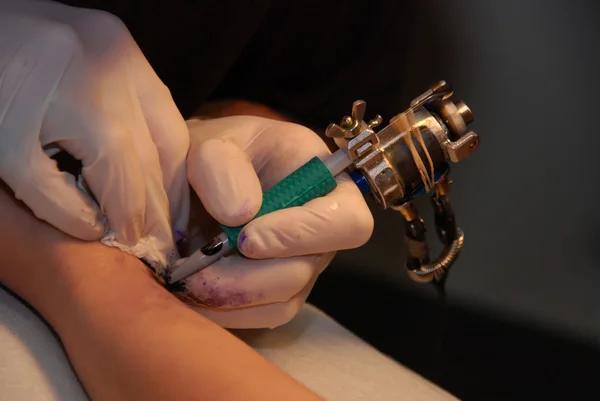
Professional tattoo and piercing studios play a crucial role in ensuring the safety and well-being of clients seeking body modifications. Unlike informal or unregulated settings, these establishments adhere to strict hygiene standards, use sterilized equipment, and follow industry best practices designed to minimize risks associated with tattoos and piercings. Safety is paramount because both procedures involve breaking the skin, which can potentially expose individuals to infections, allergic reactions, or other complications if not performed correctly.
One of the primary reasons professional studios matter is their commitment to cleanliness. These studios are required to maintain sterile environments by regularly disinfecting surfaces and using single-use needles or properly sterilized instruments. This reduces the likelihood of transmitting bloodborne pathogens such as hepatitis B, hepatitis C, or HIV. The risk of infection increases significantly when tools are reused without proper sterilization or when artists work in unsanitary conditions often found in unlicensed setups.
Additionally, trained professionals working in reputable tattoo and piercing studios have extensive knowledge about human anatomy and safe techniques. Their expertise ensures that piercings are placed accurately to avoid nerve damage or excessive bleeding while tattoos are applied with precision to prevent scarring or uneven ink distribution. They also understand how different skin types find more information may react during the process and provide tailored advice on aftercare routines that promote healing and reduce complications.
Another important aspect is legal compliance. Licensed studios must meet local health department regulations that include routine inspections and certifications verifying adherence to safety protocols. This oversight provides an added layer of protection for clients since non-compliant businesses risk closure or penalties if they fail to uphold required standards.
Moreover, professional artists prioritize client consultation before any procedure begins. They discuss potential risks openly and assess medical histories to identify contraindications like allergies or skin conditions that might affect outcomes negatively. This personalized approach helps ensure informed consent where clients fully understand what they can expect throughout the process.
Choosing a professional studio also means access to quality materials such as hypoallergenic inks for tattoos or biocompatible jewelry for piercings designed specifically for long-term wear inside the body without causing irritation.
In summary, opting for a licensed tattoo and piercing studio significantly enhances safety by combining rigorous hygiene practices, skilled artistry, regulatory compliance, thorough client evaluation, and high-quality materials-all essential components that protect health while delivering satisfactory results in body modification procedures.