
 By admin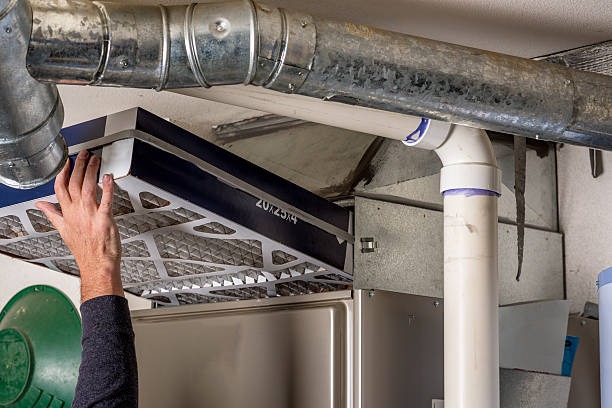
As winter approaches, ensuring your furnace is in top condition becomes paramount for maintaining a warm and comfortable home. Proper maintenance not only enhances the efficiency of your heating system but also extends its lifespan, reduces energy bills, and prevents unexpected breakdowns during the coldest months. Here are some essential furnace maintenance tips to ensure efficient winter heating.
Firstly, replacing or cleaning the air filters regularly is crucial. Clogged or dirty filters restrict airflow, forcing the furnace to work harder than necessary and reducing its efficiency. Depending on usage and filter type, it’s recommended to check them monthly and replace them every one to three months. This simple task can significantly improve air quality while optimizing dive into the details furnace’s performance.
Next, inspect the thermostat settings. Ensure that it functions correctly by setting it a few degrees higher or lower than room temperature; you should hear a click indicating activation. Consider upgrading to a programmable thermostat if you haven’t already done so; this allows for automatic adjustments based on your schedule, saving energy when you’re asleep or away from home.
Another vital step is checking and cleaning vents and ducts throughout your home. Blocked vents can cause uneven heating distribution and force the system to overwork itself. Vacuum dust from registers regularly and ensure furniture or curtains do not obstruct them for optimal airflow.
Additionally, scheduling an annual professional inspection before winter sets in is highly advisable. A certified technician will conduct thorough checks on all components of your furnace—such as burners, heat exchangers, blowers—and address any potential issues before they escalate into costly repairs or replacements.
Inspecting carbon monoxide detectors should also be part of routine maintenance since furnaces can produce this dangerous gas if malfunctioning occurs within their combustion processes—replace batteries annually along with testing functionality monthly during peak usage periods like wintertime!
Moreover: lubricate moving parts like motors/fans/bearings which helps reduce friction-related wear/tear thus prolonging equipment life expectancy while minimizing noise levels generated by operation cycles too! Use lightweight oil specifically designed HVAC systems avoid damaging sensitive machinery inside unit housing areas inadvertently caused improper lubrication techniques employed instead correct ones outlined manufacturer instructions provided upon purchase initially made earlier date past year(s).