
 By admin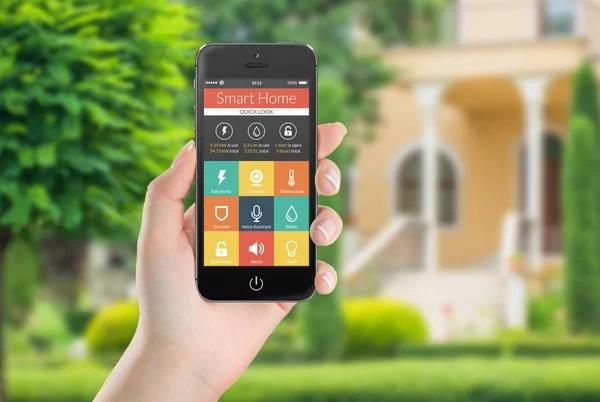
Smart outdoor lighting control systems have revolutionized the way we illuminate exterior spaces, offering both efficiency and convenience. Traditional outdoor lighting often involves manual operation or simple timers, which can lead to unnecessary energy consumption and limited flexibility. In contrast, smart lighting solutions integrate advanced technology to optimize illumination based on real-time conditions and user preferences. These systems typically utilize sensors, wireless connectivity, and intelligent software to manage light intensity, timing, and activation with precision.
One of the primary advantages of smart outdoor lighting is energy efficiency. By employing motion sensors or ambient light detectors, these systems ensure lights are only active when needed. For example, a pathway light may remain off during daylight hours or activate solely when movement is detected nearby. This targeted approach significantly reduces electricity usage compared to conventional setups that rely on fixed schedules or continuous operation throughout the night. Additionally, many smart lights use LED technology combined with dimming capabilities to further minimize power consumption while maintaining adequate brightness.
Convenience is another key benefit offered by smart outdoor lighting controls. Users can remotely monitor and adjust their lighting through smartphone applications or voice commands via virtual assistants like Amazon Alexa or Google Assistant. This remote access allows homeowners to customize settings easily without physically interacting with switches or timers outdoors. Furthermore, some systems offer programmable scenarios that adapt automatically based on seasonal changes or specific events such as parties or vacations. The ability to tailor illumination patterns enhances security by simulating occupancy when residents are away and improves ambiance for social gatherings.
Integration with other smart home devices also expands functionality beyond basic illumination tasks. Outdoor cameras can trigger lights upon detecting motion for enhanced surveillance coverage at night; weather stations might adjust brightness according to foggy conditions; landscape irrigation controllers could synchronize watering cycles with nighttime lighting schedules for improved garden maintenance visibility. These interconnected features create a cohesive ecosystem where various components work together seamlessly for optimal performance.
Installation of smart outdoor lighting has become increasingly accessible due to wireless technologies like Wi-Fi and Zigbee protocols that eliminate complicated wiring requirements in existing structures. Many products come with straightforward setup instructions suitable for DIY enthusiasts while still providing professional-grade reliability.
In summary, adopting smart outdoor lighting control offers an effective solution for reducing energy waste while enhancing ease of use in managing exterior illumination needs. Through sensor-driven automation, remote management options, customizable settings, and integration capabilities within broader home automation networks, these innovations deliver safer environments alongside cost savings over time-making them a valuable investment in modern property management strategies focused on sustainability and comfort alike.