
 By admin
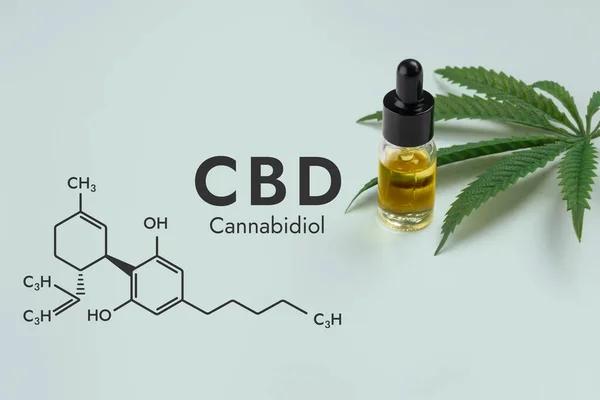
Ensuring the quality and safety of cannabinoid products is essential for both consumers and manufacturers. As the cannabis industry continues to expand rapidly, regulatory bodies and consumers alike demand stringent quality control measures to guarantee that products are safe, effective, and accurately labeled. Understanding the important quality and safety checks for cannabinoid products helps in maintaining trust and compliance within this evolving market.
One of the primary quality checks for cannabinoid products is verifying cannabinoid potency. Accurate measurement of THC, CBD, and other cannabinoids ensures that consumers receive the expected effects and proper dosing. Laboratories use advanced analytical techniques such as high-performance liquid chromatography (HPLC) to quantify cannabinoid levels precisely. Without this step, consumers may face inconsistent experiences or inadvertent overconsumption, which can be harmful.
Another critical safety check is testing for contaminants. Cannabinoid products can be exposed to pesticides, heavy metals, residual solvents, and microbial contaminants during cultivation and manufacturing. These impurities can pose significant health risks if not detected and removed. Comprehensive full article contaminant testing involves screening for pesticides like organophosphates, heavy metals such as lead and arsenic, residual solvents from extraction processes, and microbial pathogens like mold and bacteria. Ensuring products are free from these contaminants is vital to consumer safety and regulatory compliance.
Additionally, terpene profiling plays a role in quality assurance. Terpenes contribute to the aroma, flavor, and therapeutic effects of cannabinoid products. Accurate terpene analysis not only enhances product consistency but also supports product differentiation in a competitive marketplace. Consumers increasingly seek detailed terpene information to select products tailored to their preferences and needs.
Packaging and labeling are also crucial aspects of quality and safety. Properly designed packaging protects products from light, air, and moisture, which can degrade cannabinoids and terpenes. Labels must include accurate cannabinoid content, ingredient lists, batch numbers, and safety warnings to inform consumers adequately. Compliance with local and international labeling regulations helps prevent misleading claims and ensures transparency.
In summary, important quality and safety checks for cannabinoid products encompass potency testing, contaminant screening, terpene profiling, and rigorous packaging and labeling standards. These checks are indispensable for safeguarding consumer health and maintaining industry integrity. As cannabinoid products become more mainstream, ongoing advancements in testing technologies and regulatory oversight will continue to enhance product quality and consumer confidence.