
 By admin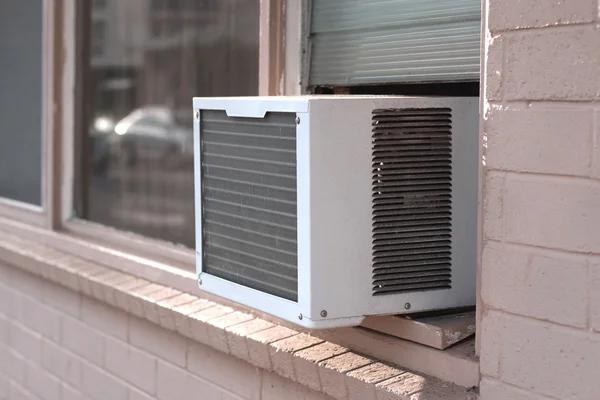
Replacing an air conditioner is a significant investment that requires careful planning and consideration to ensure optimal performance and energy efficiency. To achieve a successful replacement, it is essential to start by assessing your current cooling needs accurately. Factors such as the size of your home, insulation quality, window placement, and local climate all influence the capacity required for your new unit. Consulting with a qualified HVAC professional can help you determine the appropriate size and type of system tailored to your specific environment.
Choosing the right air conditioner involves more than just picking a popular brand or model. Energy efficiency ratings, such as SEER (Seasonal Energy Efficiency Ratio), should be carefully evaluated because higher-rated units consume less electricity while maintaining comfort levels. Although these models might have higher upfront costs, they often result in substantial savings on utility bills over time. Additionally, consider features like variable-speed compressors and smart thermostats that offer enhanced control and adaptability.
Air Conditioner Replacement
Proper installation plays a crucial role in maximizing the lifespan and effectiveness of your new air conditioning system. It is advisable to hire licensed technicians who follow manufacturer guidelines strictly during installation. Poor installation can lead to issues like refrigerant leaks, improper airflow, or electrical problems request service that reduce efficiency and increase repair expenses later on. Ensuring correct sizing of ductwork or ventilation systems also contributes significantly to overall performance.
Before finalizing your purchase, inquire about warranties offered by manufacturers or installers. A comprehensive warranty protects against unexpected defects or malfunctions within specified periods after installation. Understanding what is covered helps avoid unforeseen costs if repairs become necessary down the line.
Maintenance considerations should not be overlooked when replacing an air conditioner since regular upkeep extends equipment life considerably. Establishing routine checks for filters, coils, condensate drains, and refrigerant levels prevents common breakdowns caused by dirt accumulation or mechanical wear over time.
Finally, pay attention to environmental factors during disposal of old units; many contain refrigerants harmful to the atmosphere if released improperly. Ensure certified professionals handle removal according to local regulations governing hazardous materials disposal.
Mercury Home Services
Fallston, MD 21047
443-616-1589