
 By admin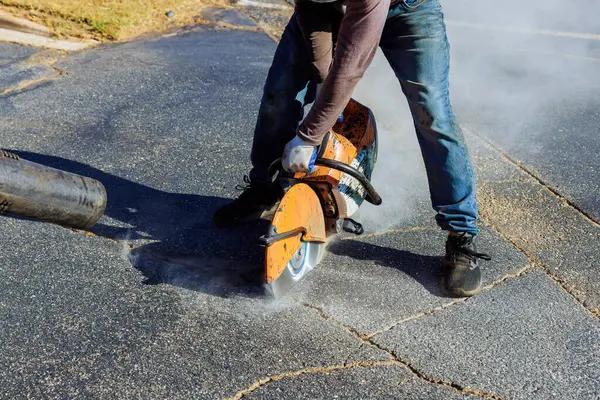
Repairing an asphalt surface can extend its lifespan and improve safety, making it essential to address damage promptly. The process begins by thoroughly inspecting the area to identify cracks, potholes, or other imperfections that need attention. Clean the surface carefully using a broom or leaf blower to remove dirt, debris, and loose materials. This step ensures proper adhesion of repair materials and prevents further deterioration caused by trapped moisture or contaminants.
Once the surface is clean, use a pressure washer to wash away any remaining dust or oil stains that could hinder bonding. Allow the asphalt to dry completely before proceeding with repairs; moisture can weaken explore the services effectiveness of patching compounds. For small cracks less than half an inch wide, apply a crack filler specifically designed for asphalt surfaces. Use a caulking gun or pourable sealer to fill these gaps evenly, ensuring no air pockets remain inside. Smooth out excess material with a putty knife or trowel for a uniform finish.
Paving services in Annapolis
When dealing with larger cracks or potholes exceeding half an inch in width, start by cutting around the damaged section using a saw or chisel to create clean edges. Remove all loose debris and broken pieces within this cutout area so that only solid pavement remains beneath the repair zone. Apply a tack coat adhesive along the edges of this space; this sticky layer helps new asphalt bind effectively with existing pavement.
Next, fill the prepared hole with hot mix asphalt if available; otherwise, cold patch products serve as alternatives for smaller jobs or cooler weather conditions. Compact each layer thoroughly using a hand tamper or mechanical plate compactor until it is level with surrounding areas and tightly packed without voids underneath. This compaction step is crucial because it prevents future settling and cracking due to traffic loads.
After filling and compacting are complete, allow sufficient curing time based on product instructions before reopening the repaired section to vehicle traffic. Avoid heavy loads during this period as premature stress may compromise results.
Regular maintenance following repairs includes sealing your entire asphalt surface every few years to protect against water infiltration and UV damage while preserving flexibility under temperature changes. By following these steps methodically-inspection, cleaning, preparation, filling cracks appropriately depending on size followed by proper compaction-you ensure lasting improvements in both appearance and structural integrity of your asphalt surfaces at home or work environments alike.
Solid Paving & Concrete
2901 Riva Trace Pkwy #103, Annapolis, MD 21401
301-500-0309